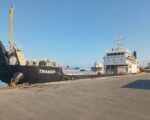
The Iranian Navy guided an Indian LPG tanker through the Strait of Hormuz on a pre-approved route following diplomatic engagement between New Delhi and Tehran, Bloomberg reported, citing a senior officer onboard the vessel.
The officer, speaking on condition of anonymity, said the ship was one of two Indian vessels allowed to make the crossing after waiting about 10 days in the Persian Gulf. The account supports growing assessments that Iran is introducing a form of traffic control system, permitting selected vessels to pass while restricting others.
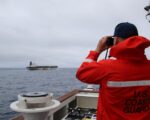
During the transit, the tanker remained in radio contact with Iranian naval forces. Authorities requested details, including the ship’s flag, voyage information, and crew nationality (all of whom were Indian), before guiding it along an agreed course through Iranian waters.
The crossing took place under heightened risk conditions. The vessel’s AIS was switched off, while GPS disruptions – reported across the region since the escalation of hostilities – extended the transit time by several hours.
After exiting into the Gulf of Oman, the tanker was met by Indian Navy ships, which escorted it onward to India.
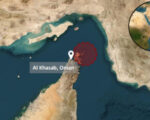
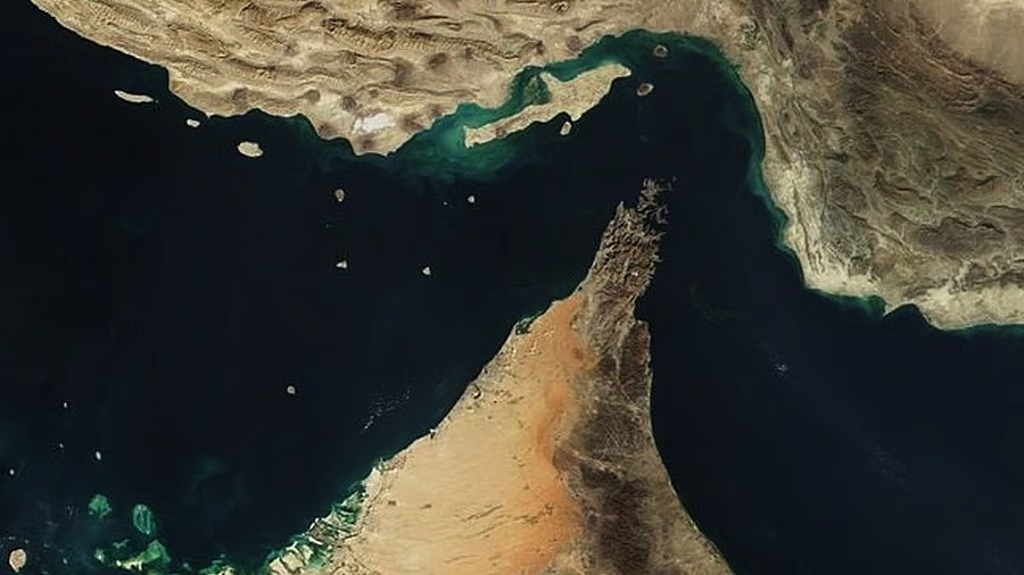
Analysts say the approach indicates that Iran is allowing passage only after verification. Recent ship movements suggest that vessels are being routed along narrow corridors close to Iran’s coastline, including between Larak and Qeshm islands. Several ships, including bulk carriers and a Pakistani-flagged tanker, have followed similar paths.
On Monday, another two India-flagged LPG tankers – Pine Gas and Jag Vasant – successfully transited the waterway. According to LSEG and MarineTraffic data, the vessels had loaded cargoes at anchorages in the UAE and Kuwait, respectively. During the voyage, Pine Gas broadcast a message identifying itself as “India ship and crew.”
Iranian officials say that the strait remains open to all shipping except vessels linked to what Tehran describes as “Iran’s enemies.” In practice, however, this carve-out has made the waterway commercially inaccessible for much of international trade.
Tehran has reportedly hardened its stance further in response to recent escalation rhetoric, raising concerns over the risk of a broader and potentially prolonged disruption to traffic through the strait.