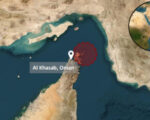
Iran has begun requiring vessels to submit detailed information on crew, cargo, and voyage plans in order to transit the Strait of Hormuz under its oversight. According to industry sources, ships seeking passage must provide crew lists, cargo details, voyage information, and bills of lading to secure approval from the Islamic Revolutionary Guard Corps (IRGC). The process remains inconsistent and is handled on a case-by-case basis, but reflects a broader move toward a semi-formal system of control as the conflict in the region enters its fourth week.
In some cases, Iran has also requested payments, particularly from vessels carrying high-value cargoes such as oil or liquefied gas. These demands are reportedly made through intermediaries and vary in scale, adding further uncertainty for ship operators navigating the area.
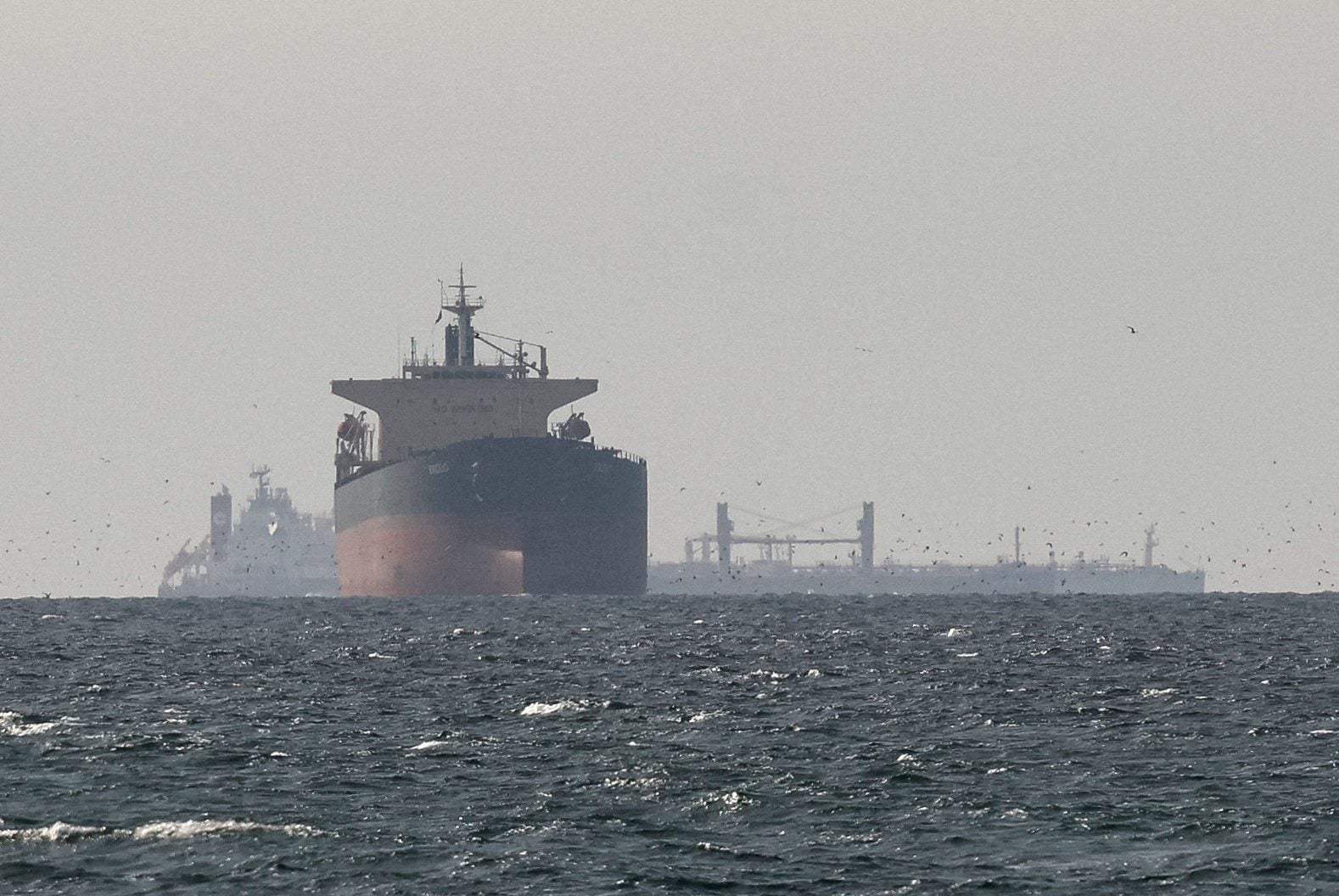
Traffic through the strait remains limited. Since the escalation of hostilities involving the US and Israel, only a small number of vessels have transited Hormuz, many of them linked to Iran or China. Ships that have been allowed through have typically followed routes close to the Iranian coastline.
Iran has maintained that navigation is still possible for “non-hostile” vessels, provided they coordinate with Iranian authorities and comply with установленими regulations. At the same time, it has restricted access for ships associated with countries it considers adversaries.
The IRGC has already demonstrated enforcement of these measures, reportedly turning back a container ship that failed to comply with the required procedures.