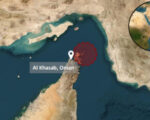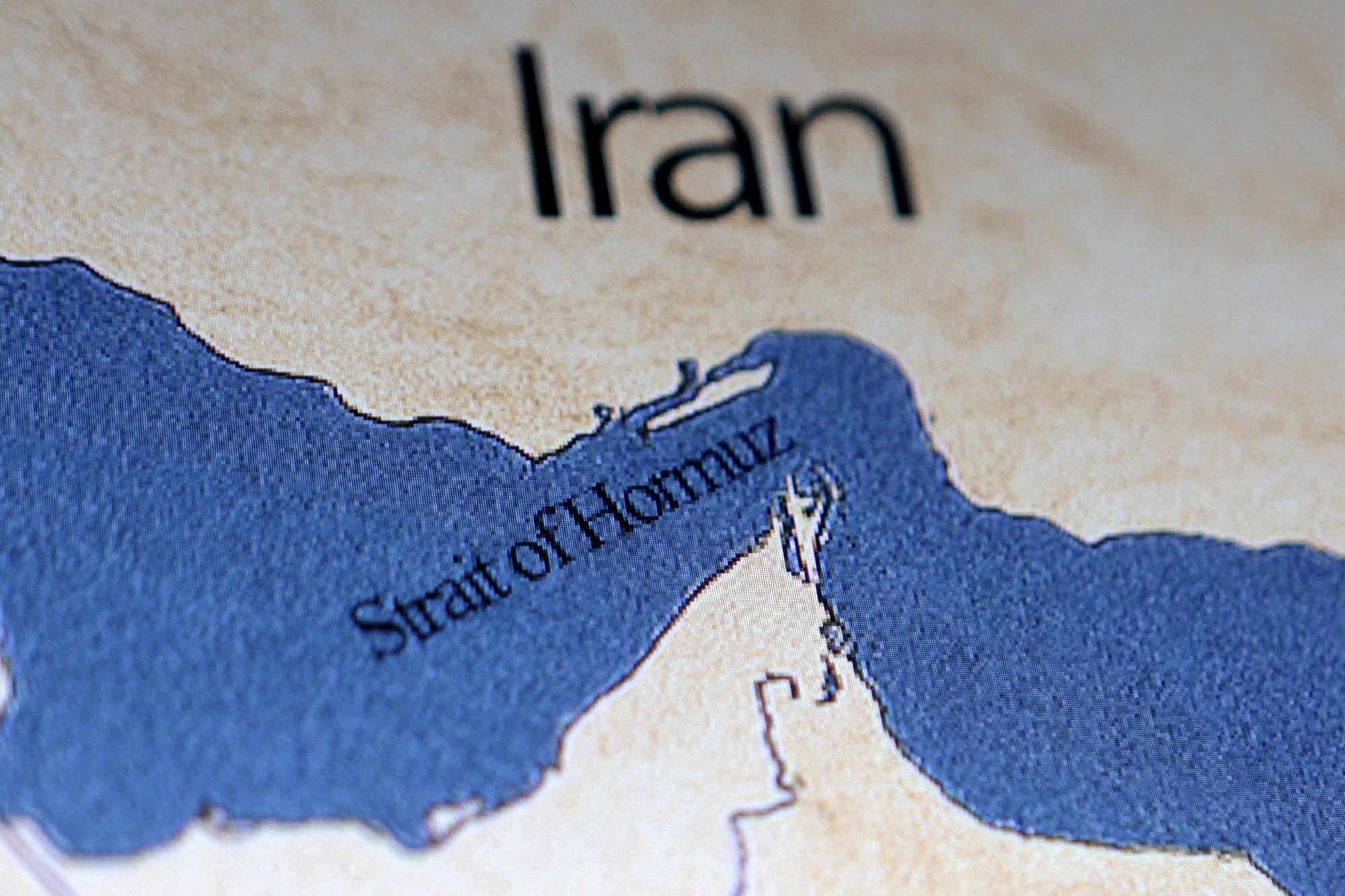
Iran is taking steps toward formalizing transit fees for vessels passing through the Strait of Hormuz, signaling a shift from wartime disruption to a more structured system of control over critical shipping route. According to Iranian state media, the country’s parliamentary security committee has approved a plan introducing a paid transit regime for the strait. The proposal includes transit fees denominated in Iranian rials, along with new security and environmental requirements. It also includes restrictions on vessels linked to the United States, Israel, and countries that have imposed sanctions on Iran.
This development suggests Iran is attempting to institutionalize its influence over Hormuz, transforming it into a controlled maritime corridor where access is conditional and increasingly political. Market participants note that the emerging “approved passage” system challenges the long-standing principle of freedom of navigation.
The legal implications are significant. Shipowners and charterers who agree to pay transit fees could face potential sanctions risks under Western regulations, while refusal to comply may result in denied passage through the strait.
The security situation in the region remains volatile. Risks are also increasing at another key chokepoint, the Bab el-Mandeb Strait, where Iran-backed Houthi forces have launched missile attacks and warned that vessels linked to the conflict could be targeted.
Taken together, the introduction of a potential tolling regime and the continued attacks on commercial shipping highlight a broader transformation of maritime security dynamics in the region, with far-reaching consequences for global energy flows and shipping operations.