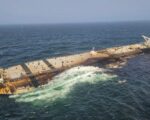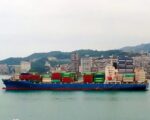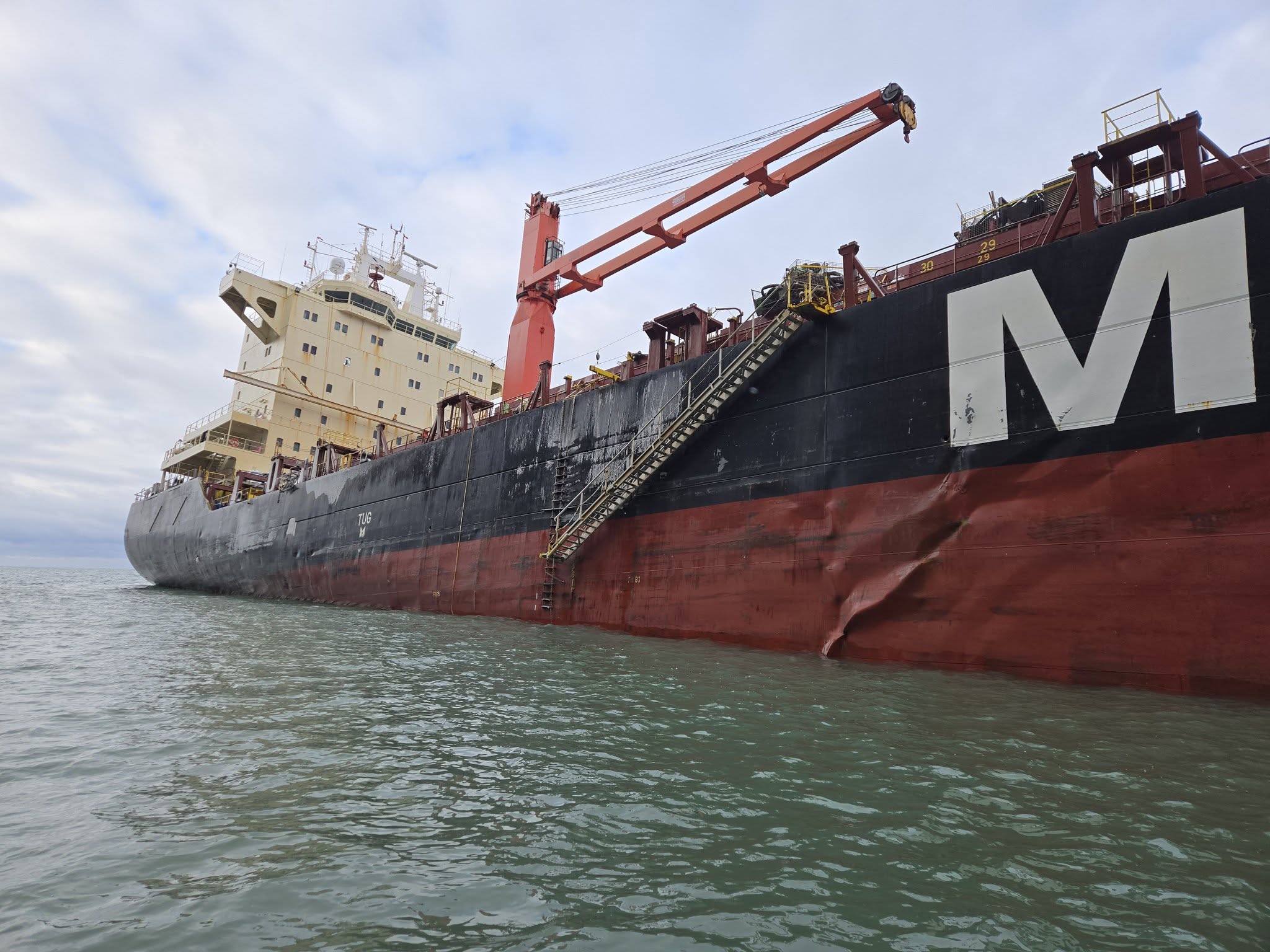
Nearly a year after a winter grounding off western Newfoundland, a disabled container ship MSC Baltic III remains stranded as harsh North Atlantic weather continues to hamper salvage efforts and elevate pollution risks.
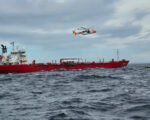
The 207-metre vessel lost power and ran aground near Wild Cove in the Bay of Islands in mid-February 2025 during severe winter conditions. All 20 crew members were safely evacuated shortly after the incident by a helicopter.
In its latest update, the Canadian Coast Guard said, persistent storms and heavy seas are still limiting safe access to the wreck. Salvage teams have installed a temporary cableway from shore to reach the ship during brief weather windows, but progress remains slow and highly dependent on calmer conditions.
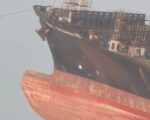
Recent inspections have confirmed that the vessel’s condition has deteriorated following a series of powerful storms in early December. Structural damage now includes buckling of hull plating on both sides, multiple breaches, and the stern sitting noticeably lower in the water. The ship has partially settled onto the seabed, making refloating impractical and shifting the focus toward stabilization and controlled dismantling.
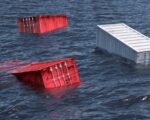
At the time of the grounding, the ship was carrying heavy fuel oil, marine gas oil and around 470 containers. While most fuel has been removed and hundreds of containers offloaded, dozens remain trapped below deck and submerged. These units must be individually lifted, drained and removed – a task that can only proceed during periods of calm seas.
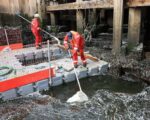
Environmental concerns are growing as well. Shoreline patrols and drone surveys have detected increasing amounts of oiled debris washing ashore along nearby beaches. Cleanup operations are ongoing, but repeated storms continue to disrupt work and further stress the damaged hull.
The Coast Guard has kept an emergency safety zone in place around the site and says its priority remains reducing pollution risks and stabilizing the wreck, while preparing for the next phase of salvage once weather conditions in the North Atlantic finally improve.