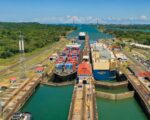
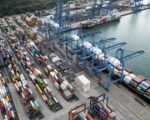
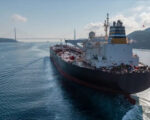
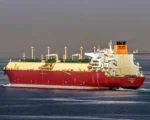
Priority transit auctions for the Panama Canal have surged to record levels, with at least one neopanamax slot reportedly selling for $4 million as operators rush to move energy cargoes between the U.S. Gulf and Asia.
The payments are made on top of normal canal tolls and reflect growing pressure on one of the world’s busiest shipping routes as disruption around the Strait of Hormuz reshapes global trade flows.
According to shipping market reports and Panama Canal Authority officials, average auction premiums have risen sharply in recent weeks. Before tensions escalated in the Middle East, most auction slots sold for about $135,000–140,000. By April and May, average premiums had climbed to roughly $385,000–425,000, while several high-priority energy cargoes triggered multimillion-dollar bids.
One reported $4 million payment involved an LPG carrier seeking rapid transit after a cargo was rerouted from Europe to Singapore.
The Panama Canal Authority says the soaring auction prices are not linked to water shortages or official toll increases. Unlike the major disruption during the 2023 drought crisis, canal water levels are currently stable, supported by heavy rainfall that kept Gatun and Alhajuela lake levels high.
Instead, the pressure is coming from changing trade patterns.
As uncertainty around the Strait of Hormuz affects tanker routing and energy exports from the Middle East, Asian buyers have increasingly turned to U.S. crude, LPG, LNG, and fuel cargoes. That shift has sent more tankers and gas carriers toward Panama-bound routes.
Traffic through the canal has already increased. During the first half of Panama Canal fiscal year 2026, the waterway handled 6,288 transits, up 224 year-on-year, while cargo volumes rose 5% to 254 million PC/UMS tonnes.
The canal authority also reported that daily vessel traffic increased from around 34 transits in January to 37 in March, with some peak days exceeding 40 vessels.
The strong demand for Panama slots is also affecting voyage planning across several shipping sectors. Some operators are now weighing whether to pay high auction premiums, wait for scheduled transit windows, or reroute vessels around the Cape of Good Hope despite the additional voyage time and bunker costs.
The Panama Canal Authority stressed that only a limited number of auction slots are offered each day and that most vessels continue to transit using advance reservations rather than emergency bidding. Industry executives say delays in Panama can now stretch beyond 30 days for some vessels without reservations.
Still, the latest auction prices highlight how quickly geopolitical disruptions can ripple through global shipping markets and place additional pressure on critical maritime chokepoints.