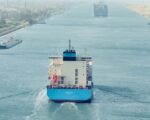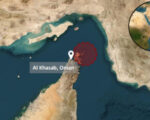
The United States launches a naval blockade targeting Iranian shipping in the Strait of Hormuz. President Donald Trump on Sunday announced that the U.S. Navy would begin interdicting vessels linked to Iranian ports, warning that ships paying transit tolls to Iran could also face enforcement action.
United States Central Command later clarified that the operation is limited to maritime traffic entering or exiting Iranian ports, not all vessels transiting the strait.
The blockade came into force at 1000 ET, with a one-day grace period for vessels to clear Iranian waters. It applies to ships of all flag states trading with Iran, raising immediate legal and operational concerns for shipowners, particularly regarding potential boardings and sovereignty issues involving third-country-flagged vessels.
The move follows the collapse of high-level negotiations in Islamabad and effectively doubles restrictions in the region, where Iran has already been exerting control over traffic flows. Tehran responded by warning that any military presence in the strait would be treated as a ceasefire violation, signaling a high risk of further escalation.
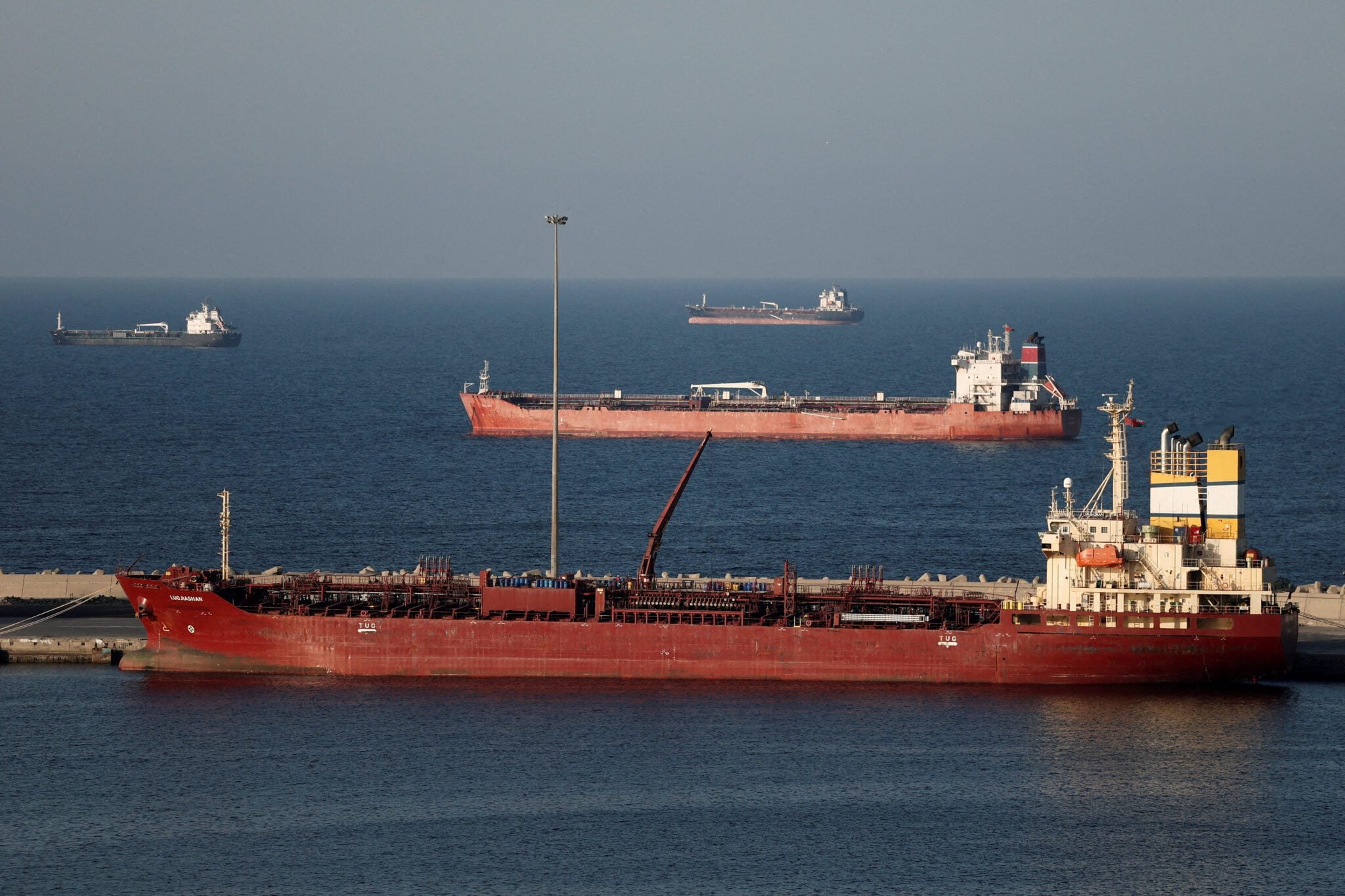
Operationally, the situation in the Strait of Hormuz remains highly constrained. The waterway, which normally handles around 20% of global oil flows, has seen traffic reduced to a fraction of normal levels since late February. At least 800 vessels remain trapped inside the Persian Gulf, while over 1,000 ships are waiting on both sides for a safe transit window. According to earlier estimates, around 20,000 seafarers are still stranded onboard vessels in the region.
The supply impact is already visible. The blockade threatens to remove an additional 1–2 million barrels per day from the market, on top of existing disruptions. Crude prices have rebounded above $100 per barrel, after briefly easing to around $95 during a short-lived ceasefire. Data indicates that crude and condensate inventories have been declining at roughly 10 million barrels per day in early April, while cargo flows into Asia were 28% below 2025 levels in March.
Shipping companies remain cautious. Major operators have not resumed normal services, citing a lack of “full maritime certainty,” while alternative logistics chains – such as land bridge routes via Saudi Arabia and Oman – continue to be used. LNG traffic is particularly affected, with no loaded LNG carrier completing a transit since the conflict began.
Fleet dislocation is also intensifying. The number of idle or repositioning VLCCs in the Pacific Basin has risen by around 17% above pre-conflict levels, reflecting tonnage buildup and disrupted trading patterns.
Meanwhile, the security environment remains volatile. Iran retains capabilities including mines, drones, and missiles, and recent intelligence suggests potential mine-laying in the strait, though not independently confirmed. The U.S. Navy has already increased its presence, with destroyers conducting transits as part of preparations for mine-clearing and controlled navigation corridors.
The blockade introduces further uncertainty for commercial shipping. Even though transit to non-Iranian ports is formally permitted, ambiguity around enforcement, inspection rights, and escalation risks continues to deter operators. For shipowners, insurers, and crews, the situation represents a complex mix of legal exposure, security threats, and commercial disruption in a waterway that remains critical to global energy and trade flows.