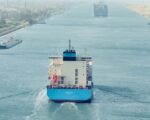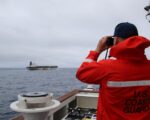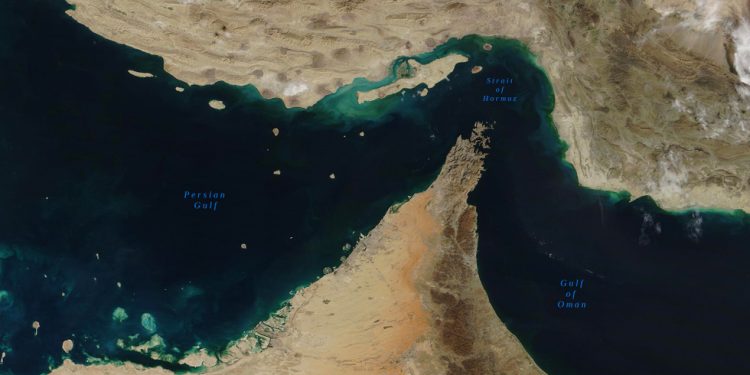
Shipowners are assessing a tentative Hormuz ceasefire shipping framework that could reopen the Strait of Hormuz, where more than 800 vessels remain trapped inside the Persian Gulf after weeks of disruption.
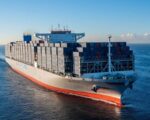
According to industry data, the stranded fleet includes at least 426 crude and product tankers, 34 LPG carriers and 19 LNG vessels, alongside bulk carriers and containerships. In total, over 1,000 ships are currently waiting on both sides of the strait, clustered near Dubai, Khor Fakkan and in the Gulf of Oman.
The ceasefire agreement between the United States and Iran, reached shortly before a deadline set by Donald Trump, provides for a limited window of safe passage of around two weeks. However, operational conditions remain unclear.
Shipping activity has not resumed at scale. In normal conditions, around 130 vessels transit the strait daily, but traffic has fallen to a fraction of that level since late February.
Adding to uncertainty, Iran’s Ports and Maritime Organization has issued a revised traffic separation scheme (TSS), citing risks from potential naval mines in the area. While reports suggest mines may have been deployed, this has not been independently verified.
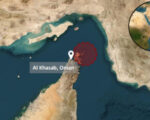
Under the new routing system, vessels are required to coordinate with the Islamic Revolutionary Guard Corps Navy and follow designated lanes within Iranian-controlled waters. Inbound traffic is directed between Qeshm Island and Larak Island – a corridor informally referred to as a “Tehran-controlled” route – while outbound traffic is routed south of Larak, also within reach of Iranian naval oversight.
The revised chart also introduces a designated “danger zone” where transit is prohibited. This area overlaps with the internationally recognized IMO traffic separation scheme near the Musandam Peninsula, effectively restricting access to what has traditionally been an open international transit corridor.
The warning zone appears to extend into routes previously administered by Oman, raising further operational and legal uncertainties for ship operators navigating the strait.
Major operators, including A.P. Moller-Maersk and Hapag-Lloyd, confirmed they are not restoring services yet, citing lack of “full maritime certainty” and ongoing security risks.
Crew welfare remains a critical concern. According to estimates from the International Maritime Organization, around 20,000 seafarers are currently stranded aboard vessels in the Gulf, facing prolonged deployments, supply constraints and elevated stress levels.
Initial movements after the ceasefire announcement have been minimal. Only a small number of vessels have attempted to reposition toward the strait, while no confirmed large-scale transits have taken place.
Industry experts warn that even if the ceasefire holds, a full recovery of shipping flows could take weeks, as insurers, operators and crews wait for clear evidence that transit risks have genuinely decreased.