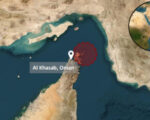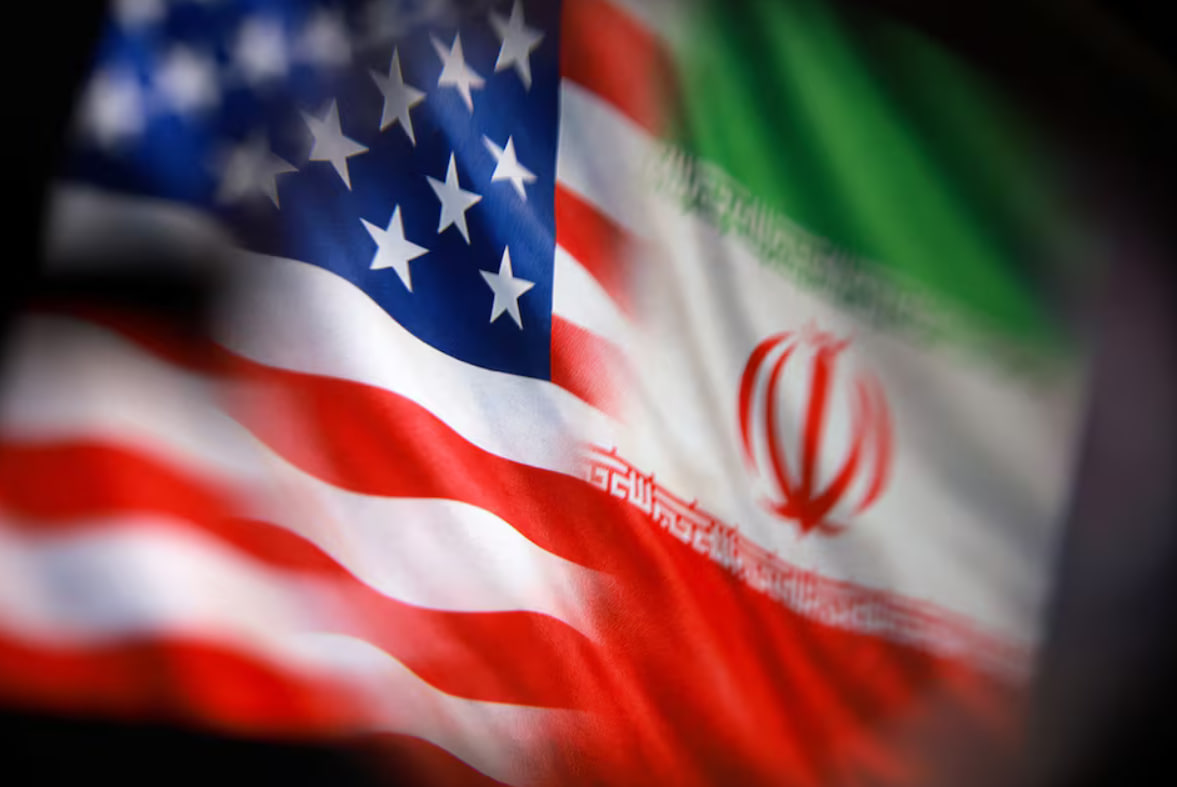
The United States and Iran have agreed to a 60-day ceasefire framework that could pave the way for the reopening of the Strait of Hormuz, potentially ending more than three months of severe disruption to one of the world’s most important shipping routes.
According to statements from both sides, the agreement is scheduled to be formally signed in Geneva on June 19. The deal would suspend the competing U.S. and Iranian blockades that have effectively halted most commercial traffic through the strait since the conflict escalated in late February.
Donald Trump says as part of the agreement, the Strait of Hormuz will be reopened. “Let the oil flow!” he writes in a post on Truth Social. Media reports citing sources familiar with the negotiations said the draft agreement includes the removal of mines from the strait and the resumption of vessel transits without tolls during the 60-day ceasefire period.
The announcement was welcomed by maritime organizations, which have repeatedly warned about the growing risks faced by merchant vessels and seafarers operating in the region.
International Maritime Organization Secretary-General Arsenio Dominguez said the agreement could mark an important step toward restoring safety and freedom of navigation in the strategic waterway.
Despite the breakthrough, shipping industry groups cautioned that a return to normal operations is unlikely to happen immediately. Hundreds of vessels remain delayed or stranded following 107 days of disruption, while shipowners continue to await detailed guidance on security arrangements, traffic management, insurance requirements and potential mine-clearance operations.
According to market analysts, LNG shipping stands to benefit most from a reopening of the strait. The waterway normally handles more than 20% of global LNG trade, while crude tankers, LPG carriers, container vessels and regional feeder services have also been heavily affected by the crisis.
BIMCO said the security situation remains uncertain until the agreement is formally signed and operational details are clarified. The organization advised shipowners to continue conducting vessel-specific risk assessments before planning transits through the area.
INTERTANKO and the International Chamber of Shipping also welcomed the prospect of renewed freedom of navigation, while emphasizing that merchant vessels must be able to transit the Strait of Hormuz without military threats, tolls or special clearance requirements.
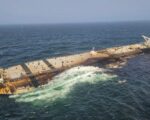
The conflict has had a significant human cost for the maritime industry. Multiple merchant vessels were damaged during the crisis, while 14 seafarers lost their lives in incidents linked to military operations in the Gulf of Oman and surrounding waters.
If implemented as planned, the agreement could trigger a gradual return of commercial shipping to the corridor over the coming weeks. However, industry experts expect traffic normalization to take several months as delayed vessels clear existing backlogs and operators reassess security conditions in the region.