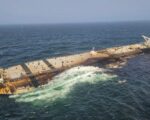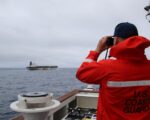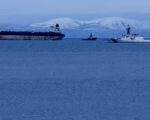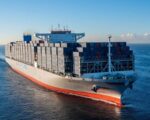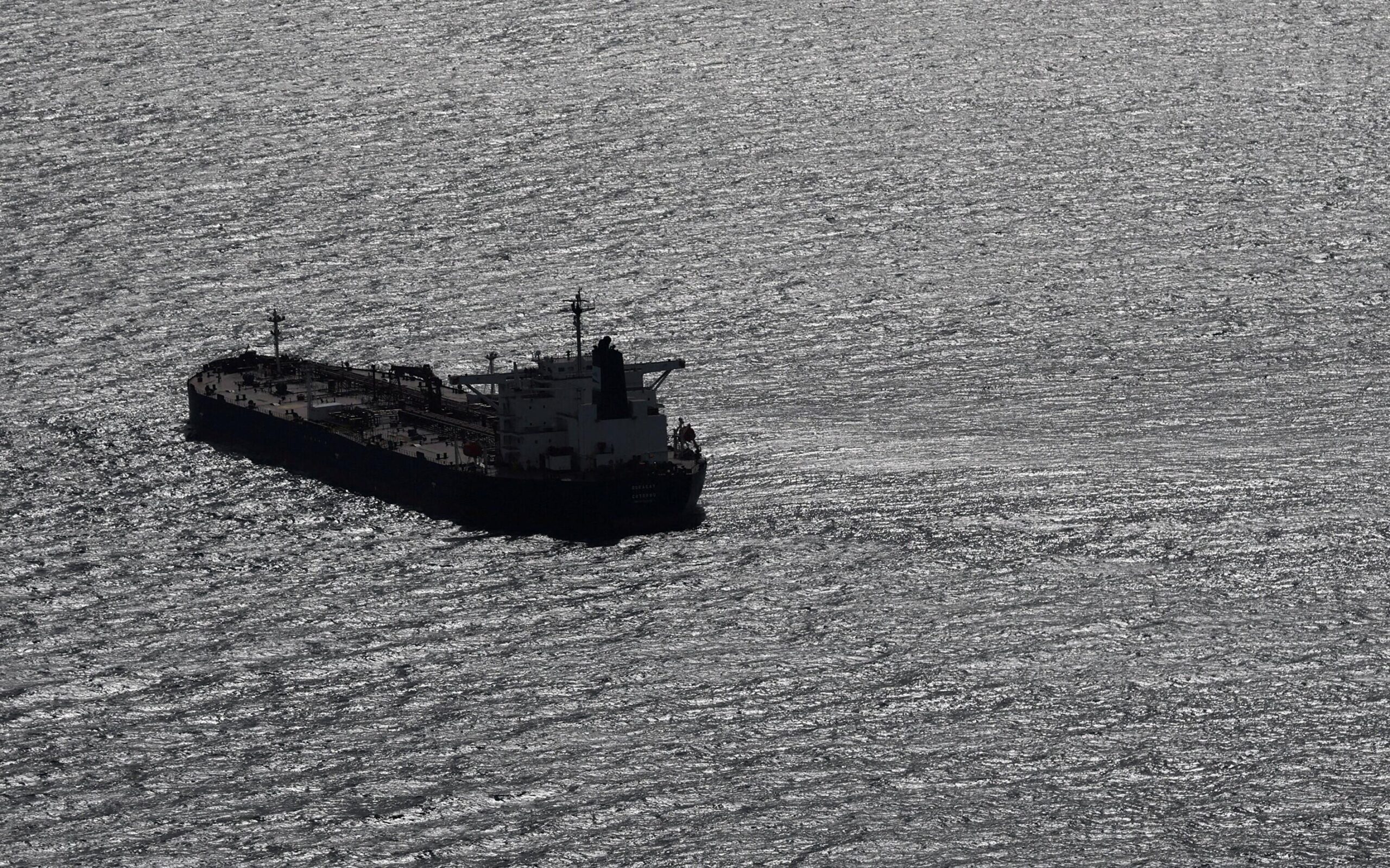
The United Kingdom has authorized military and law enforcement teams to board sanctioned Russian vessels transiting its waters, including the English Channel, marking a significant escalation in maritime enforcement against Moscow’s “shadow fleet.” The policy allows UK forces to stop, board, and potentially detain vessels suspected of breaching sanctions linked to Russia’s oil trade, with each operation assessed individually for legal, operational, and energy market considerations.
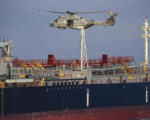
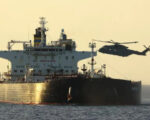
Specialist units, including the Special Boat Service and Royal Marines, have completed training for potential boarding operations, while ship-tracking systems are actively monitored to identify sanctioned vessels. The UK move follows similar actions by European Joint Expeditionary Force partners, including Finland, Sweden, and Estonia, which have targeted shadow fleet vessels in the Baltic Sea, narrowing safe transit routes for sanctioned ships.
UK authorities say that about 75% of Russia’s crude exports are carried via these ageing and often opaque vessels, with more than 500 already sanctioned.
Officials emphasize that the action is intended to protect UK and allied interests, rather than retaliate against other nations’ policies. Analysts note that Russian vessels operating without proper flags pose ongoing risks, particularly as global attention has recently been focused on conflicts in the Middle East.
The government has highlighted the strategic stakes: preventing sanctioned oil shipments will directly disrupt funding for Russia’s war machine. UK Prime Minister Keir Starmer described the move as a way to starve the shadow fleet’s operators of revenue while securing one of the world’s critical maritime chokepoints.
The escalation signals a shift from passive monitoring to active interdiction, with legal and financial consequences for owners, operators and crews if vessels are detained. The first boarding operation has not yet occurred, but authorities signal that it could take place imminently.