The United States has reported initial success in enforcing its maritime blockade on Iranian shipping, with no Iran-linked vessels passing through the restricted zone during the first 24 hours of operations.
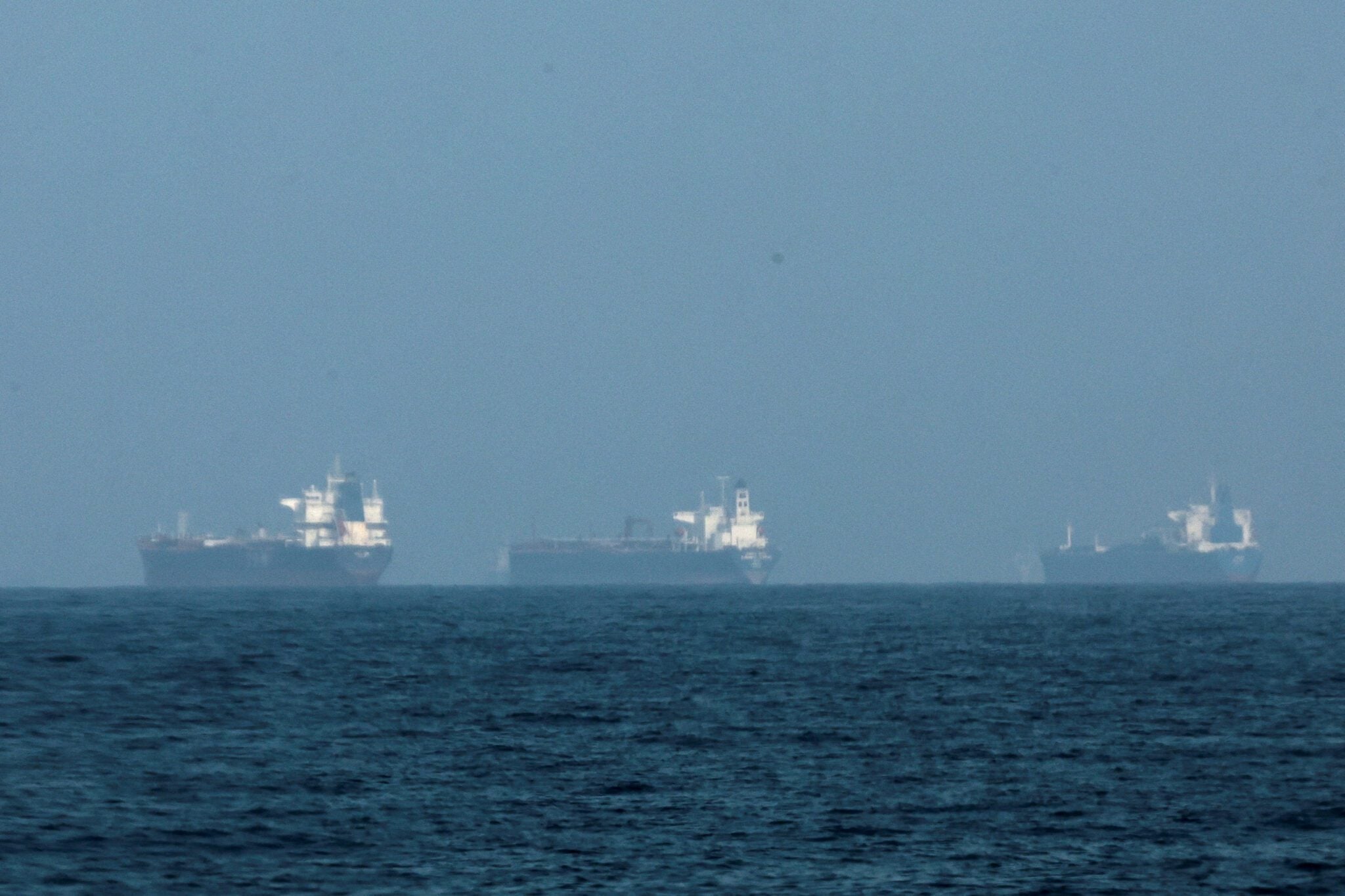
According to U.S. Central Command (CENTCOM), at least three Iran-linked tankers attempted to transit the Strait of Hormuz shortly after the blockade took effect on April 13, but none proceeded beyond the northern Gulf of Oman. One of them, the sanctioned tanker Rich Starry, turned back before entering the enforcement zone, while two others anchored west of Jask.
U.S. forces also instructed six vessels to reverse course and return to Iranian ports, with all complying without escalation.
The blockade is being enforced by more than a dozen warships, dozens of aircraft, and over 10,000 U.S. personnel. It applies to all vessels – regardless of flag – heading to or from Iranian ports across the Arabian Gulf and Gulf of Oman, while transit to non-Iranian ports remains permitted.
Despite the restrictions, limited traffic continues. U.S. officials confirmed that more than 20 neutral vessels have transited the Strait since enforcement began, though some did so without broadcasting AIS signals. Separate data indicates that around 814 vessels remain in the Gulf, including 89 product tankers, 83 chemical tankers, 69 crude tankers, and 56 container ships.
Early vessel behavior reflects a fragmented response to the blockade. Some ships continue transiting under elevated risk, while others delay, reroute, or turn back. AIS gaps, slow-speed movements, and unusual routing patterns suggest attempts to avoid detection or reassess transit plans in real time.
Sanctioned and falsely flagged vessels remain active. Tanker tracking data indicates that at least one Iran-linked tanker may have completed a transit into Iranian waters, while others – including vessels like Rich Starry – have demonstrated stop-and-go behavior, turning back and then resuming movement.
At the same time, Iranian oil flows continue through indirect channels. At least 11 tankers carrying around 20 million barrels of Iranian crude are currently positioned offshore Malaysia, operating as part of a floating storage and ship-to-ship transfer network.