A growing legal debate over the treatment of seafarers as material witnesses has emerged in both the United States and India, where crew members involved in two high-profile maritime casualties remain unable to return home despite not being charged with any offences.
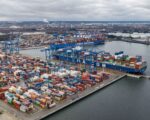
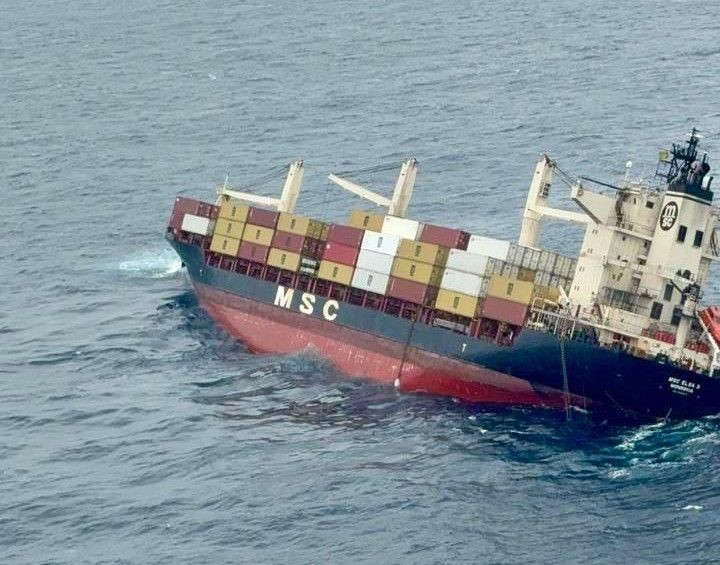
In separate proceedings, courts are considering petitions from crew members of the container vessel MSC Elsa 3, which sank off India’s Kerala coast in May 2025, and the containership MV Dali, whose allision with Baltimore’s Francis Scott Key Bridge in March 2024 caused one of the most significant maritime infrastructure disasters in recent U.S. history.
The cases highlight a long-standing issue in maritime investigations: how long authorities can require seafarers to remain available as witnesses while legal proceedings continue.
MSC Elsa 3 officers seek return of passports
In India, four senior officers from MSC Elsa 3 – the master, chief officer, chief engineer and second engineer – have petitioned the Kerala High Court for the return of their passports and the removal of restrictions requiring them to remain in the state.
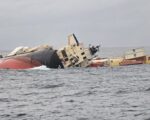
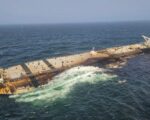
The vessel sank off Kerala in May 2025, triggering extensive environmental response operations and a series of compensation claims. Indian authorities continue to pursue claims related to pollution response costs, wreck removal and damages, while cargo interests and local fishing communities have also sought compensation.
None of the officers has been charged with a criminal offence.
The court recently allowed three crew members to leave India under strict conditions. Lawyers representing the master and chief engineer argued that both men have already provided statements to investigators and should likewise be permitted to return home.
The court directed the officers to seek relief through the magistrate’s court, while a further hearing is scheduled for June 30.
MV Dali crew remain in Baltimore
The situation facing the crew of MV Dali is more complex due to ongoing criminal proceedings in the United States.
Fourteen seafarers and shore-based employees linked to the vessel’s manager, Synergy Marine Group, remain in the Baltimore area under arrangements agreed with U.S. authorities. Nine were aboard MV Dali when the vessel lost power and struck the Francis Scott Key Bridge, while five others are employees with operational knowledge relevant to the case.
According to court filings, the seafarers continue to receive salaries, hotel accommodation and daily allowances while remaining available to investigators and prosecutors. Several have been allowed brief visits home, but four have remained in the United States since the casualty occurred more than two years ago.
Lawyers representing Synergy argued during a recent hearing that the continued restrictions have become unreasonable.
One crew member has effectively remained away from home since joining the vessel in July 2023, while others have been unable to resume normal employment despite not facing criminal charges.
However, U.S. prosecutors oppose their release, arguing that the seafarers remain important witnesses for the criminal case.
Criminal trial set for 2027
The Baltimore hearing focused primarily on scheduling the criminal proceedings against Synergy and one of its technical supervisors.
A federal judge ultimately set the trial date for October 4, 2027, with proceedings expected to last seven weeks. The court indicated that no further delays would be permitted.
The vessel’s chief engineer has also been indicted but is currently operating under a deferred plea agreement.
During earlier civil proceedings, crew members invoked their constitutional right against self-incrimination and declined to testify. Prosecutors have indicated that federal law would allow them to compel testimony during the criminal trial.
The discovery process remains extensive. U.S. authorities have reportedly disclosed approximately two terabytes of evidence and are working through data obtained from more than 100 mobile phones, computers, tablets and other electronic devices collected during the investigation.
Wider industry concern
The two cases have reignited concerns among seafarer welfare organisations regarding the prolonged detention of crews following maritime casualties.
While authorities often argue that witness testimony is essential for ensuring accountability, maritime lawyers and welfare advocates have increasingly questioned whether modern technology, including remote testimony and video conferencing, could reduce the need for extended restrictions on seafarers who are not accused of wrongdoing.
For now, neither the Indian nor U.S. courts have ordered the crews’ release, leaving a number of seafarers from both MSC Elsa 3 and MV Dali still waiting ashore while the legal processes continue.