In March 2026, Chinese Port State Control (PSC) detained a record number of Panama-flagged vessels, sparking concerns over the potential politicization of inspections. Analysis of the Tokyo MOU detention list shows 179 vessel detentions in the Asia-Pacific region, 123 of which occurred in Chinese ports. Of these, 91 were Panama-flagged ships, making up more than half of all detentions.
This surge contrasts sharply with previous months: in January, 25 Panama-flagged vessels were detained in China, compared with 46 ships under other flags; in February, 19 versus 26. The sharp increase has coincided with disputes surrounding the transfer of Hutchison’s Panama port concessions at Balboa and Cristobal, fueling claims that China may be “weaponizing” PSC inspections.
U.S. Federal Maritime Commission chair Laura DiBella noted that these intensified detentions appear to target Panama-flagged vessels, which carry a significant share of U.S. containerized trade. “These actions could result in substantial commercial and strategic consequences for global shipping,” she said.
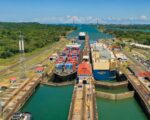
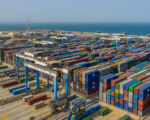
U.S. Secretary of State Marco Rubio also voiced concern, linking the spike in detentions to a Panamanian Supreme Court ruling that invalidated CK Hutchison’s legal framework for operating the Panama Canal’s Balboa and Cristobal terminals. Rubio stressed that Panama’s ruling upheld transparency and the rule of law and called China’s actions “a serious concern for global commerce.”
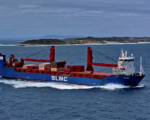
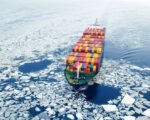
The detained vessels included not only containerships but also tankers and bulk carriers, and several were operated by Chinese companies under the Panamanian flag. China’s Foreign Ministry declined to confirm whether the detentions were linked to the Hutchison dispute, instead reiterating opposition to U.S. statements regarding Panama Canal operations.
The March surge marks a significant escalation and raises broader questions about political influence in Port State Control practices, which historically focus solely on safety compliance.