India is accelerating plans to expand its merchant fleet with a 62-vessel acquisition programme, as the ongoing Strait of Hormuz crisis exposes the country’s reliance on foreign shipping and fragile supply chains.
The initiative, backed by an investment of about $5.4 billion (₹51,000 crore), aims to add approximately 2.85 million gross tons to India’s fleet during the 2026–2027 fiscal year. The programme is being coordinated by the Ministry of Ports, Shipping and Waterways in cooperation with state-owned Shipping Corporation of India and public sector oil and gas companies.
The move comes against the backdrop of continued disruption in the Persian Gulf, where navigation constraints and security risks have limited cargo flows. Indian authorities have already repatriated more than 3,000 seafarers affected by the crisis, while multiple Indian-flagged vessels remain delayed or unable to transit normally.
Officials say the expansion is intended to ensure continuity of essential imports, particularly crude oil and liquefied petroleum gas (LPG), as India remains one of the world’s largest energy importers with heavy dependence on Gulf suppliers.
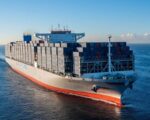
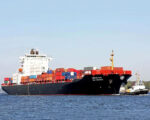
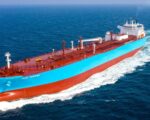
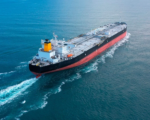
The planned fleet will include crude oil tankers, LPG carriers, container vessels, and a number of environmentally friendly harbour craft such as green tugs. According to government representatives, tenders for 34 vessels have already been issued, with the remainder expected to follow within the current financial year.
Beyond immediate capacity needs, the programme is part of a broader strategy to reduce dependence on foreign-flagged tonnage, which currently carries the majority of India’s trade. The government has set targets to increase the share of Indian-flagged vessels in export trades and strengthen control over maritime logistics.
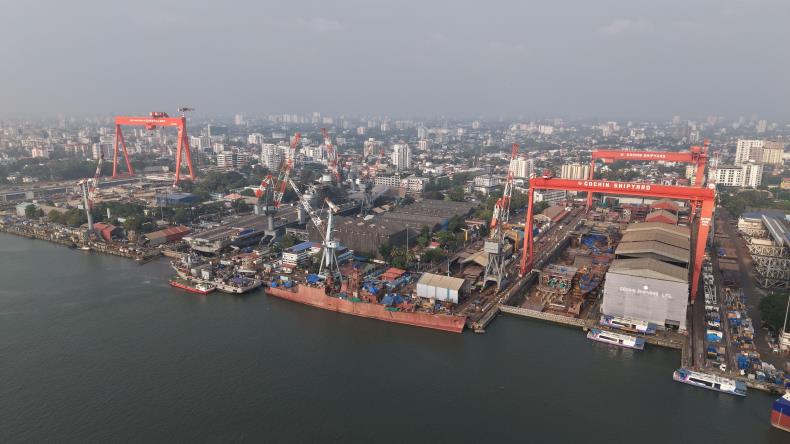
The procurement effort also ties into a long-term industrial policy. Authorities aim to build most of the vessels domestically, supporting the development of India’s shipbuilding sector. However, a phased approach is expected, with some technologically complex vessels potentially constructed abroad under structured tendering schemes, while Indian shipyards retain the right to match international bids.
State-backed entities have outlined a much larger pipeline of fleet expansion through the next decade, with demand aggregated for more than 400 vessels by the early 2040s. This includes separate plans by the Shipping Corporation of India to acquire an additional 59 ships.
At the same time, the government is pushing reforms to support the maritime ecosystem, including financial incentives, regulatory changes, and investment in shipyard infrastructure and workforce development. The long-term objective is to position India among the world’s leading shipbuilding nations.
For ship operators, the latest announcement reflects a shift toward strategic fleet control in response to geopolitical risk. The Hormuz disruption has underscored how quickly access to critical trade routes can be constrained, prompting major importing nations to reassess fleet ownership, flagging strategies, and supply chain resilience.