Markku Mylly is well known among maritime professionals not only as the Executive Director of the European Maritime Safety Agency (EMSA) but also for his active involvement with the IMO (International Maritime Organization), ESPO (European Sea Ports Organisation), and IALA (International Association of Marine Aids to Navigation and Lighthouse Authorities). He has participated in several EU Twinning Projects that supported beneficiary countries. Having devoted most of his life to ensuring the effective management and safety of the maritime sector, he continues to enhance and regulate the global shipping industry. Without a doubt, his name is set to appear more frequently at international forums, conferences, and in maritime headlines.
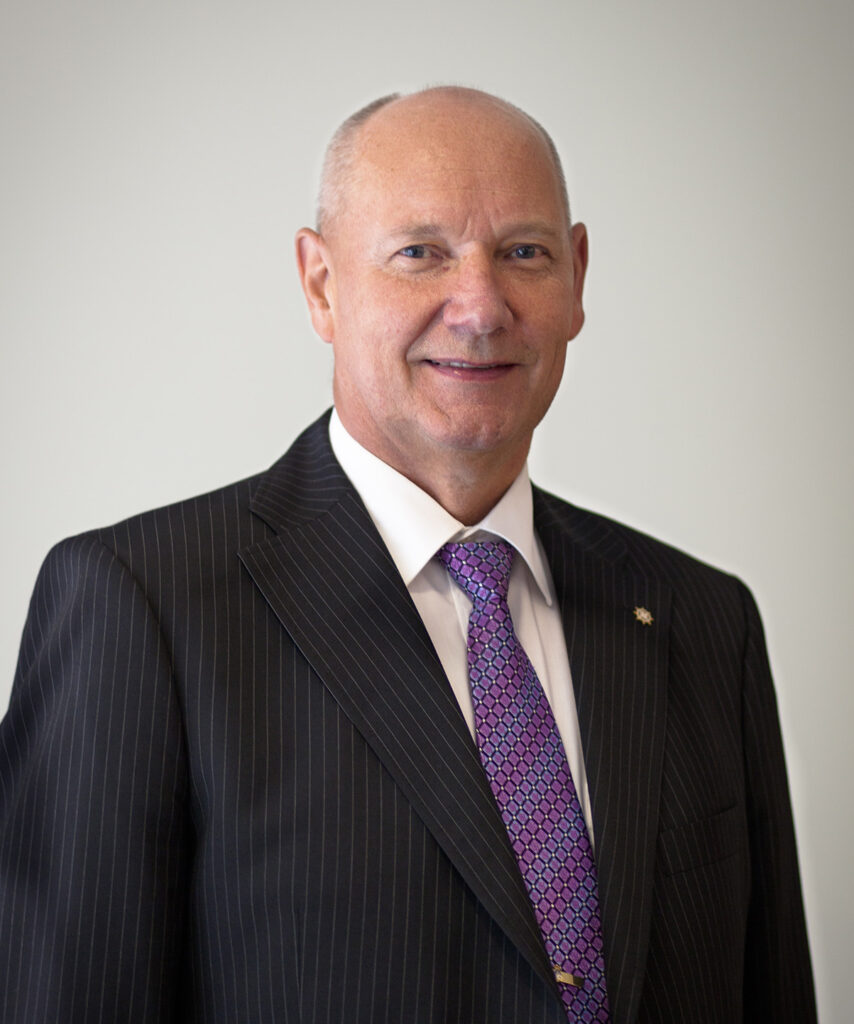
Executive Director, European Maritime Safety Agency
But how did his journey to success begin? Did he face challenges on his way to achieving his goals? The Maritime Telegraph spoke with Markku Mylly to learn more about his career path, motivation, and recipe for success.
MT: Why did you decide to pursue a maritime career?
My grandfather worked for years as a tugboat captain, and perhaps that influenced my career choice. After finishing secondary school and completing my military service, I decided to attend maritime school in 1972, and since then, my career has been linked to the sea. I wanted to sail and become a captain. I never had much interest in engines or technical aspects, but navigation fascinated me from the very beginning of my seafaring career.
MT: Do you remember your first cadet contract? What were your first impressions?
In Finland, we didn’t (and still don’t) have a cadet system. I started as an ordinary seaman on deck, and after two years at sea, I was able to attend navigation school and became a Third Officer in 1975. It was a challenging period because I joined a relatively old tanker, trading in the busy North Sea area during the mid-1970s. Later, I sailed exclusively on tankers ranging from 3,000 DWT to 250,000 DWT VLCCs.
MT: Have you experienced any extreme or dangerous situations at sea?
Of course, there have been many throughout my career, but one incident I will never forget happened at the Escoumins Pilot Station on the St. Lawrence Seaway. In the early 1980s, during winter and heavy ice conditions, I had to take a pilot on board at Escoumins. The pilot boat couldn’t leave the shore due to ice and asked me to come closer. As I approached, the coastal current began turning our 30,000 DWT crude oil tanker toward the shore. I managed to steer the vessel away in time and told the pilots they would need to board on their own. It was a very close call – a critical situation that, fortunately, ended well.
MT: What was your last rank at sea before moving ashore?
I obtained my Master’s license in 1982, and my last vessel was a VLCC, where I served as Chief Officer. I applied for a pilot position at the Finnish Maritime Administration (FMA) and became one in 1987, working there until 1992.
After my pilot career, I began developing the VTS (Vessel Traffic Service) system in Finland – first in the Archipelago District, later in the Northern District (1993). In 1999, I moved to the FMA headquarters, holding various positions before becoming Director General in 2004. I served in this role until 2010, when FMA merged with the Road and Rail Administrations.
MT: What were your main responsibilities at the Finnish Port Association, and how did you begin your work at EMSA?
I joined the Finnish Port Association in 2010, primarily to support Finnish ports in their cooperation with national authorities and the EU.
With my practical seagoing experience and years at the FMA, I was able to assist ports in many operational and administrative matters.
In 2012, when I saw the vacancy for Executive Director of EMSA, I asked my wife whether I should apply. She gave me 100% support, and I decided to submit my application to the European Commission.
Having represented Finland on EMSA’s Administrative Board since 2005, I already knew the Agency well and was very familiar with its responsibilities.
MT: Did you ever feel tempted to return to sea?
When I ended my seagoing career in 1987, it was a difficult transition. For a long time, I missed life at sea and often thought about returning. But at that time, I had a wife and a small son, so I decided to see where my new path would lead. Taking on new challenges at FMA turned out to be rewarding, and gradually I stopped longing to go back to sea. Today, I’m very satisfied with my work, and I no longer feel the call of a seafaring career.
MT: How, in your opinion, can one balance a happy family life with a successful career?
Sometimes it’s challenging. My wife and I have been married for almost 40 years, she is my best friend and greatest support. You must respect your partner and make her life as comfortable as possible, especially when living abroad. And, of course, you must make time to be together.
The recipe for success is hard work, ambition, and passion for what you do. You must be enthusiastic about your work and driven by your goals. Listen to and respect your colleagues, and work with them as a team. I believe that building a strong team is the true path to success. With a good team spirit, you achieve the best results not only for yourself but for the entire organization.
I must say my career has been relatively smooth. I’ve never faced major setbacks. But it’s important to remember that no one builds a career alone. You always need your family and colleagues to support you through difficult times.