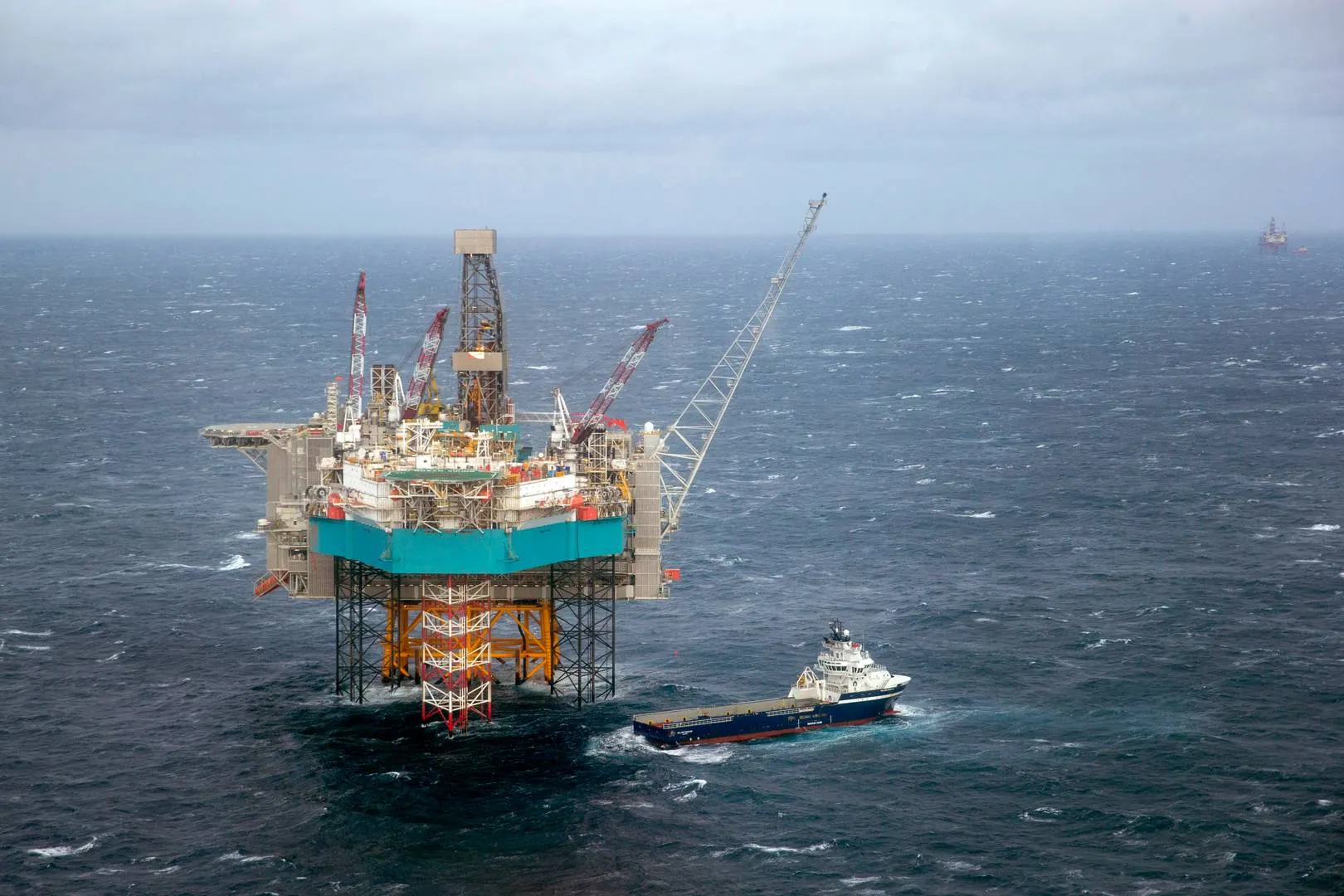
Norway has approved new regulations requiring offshore vessels operating on the Norwegian continental shelf to significantly reduce greenhouse gas emissions beginning in 2029, as part of the country’s broader climate commitments aligned with EU targets.
Under the new framework, offshore vessel operators will be required to reduce the greenhouse gas intensity of their fleets by 10 percent during the 2029–2031 period. The requirements will gradually tighten, reaching a 40 percent reduction target between 2038 and 2040.
The Norwegian government said the measures are expected to reduce emissions by approximately 1.6 million tonnes of CO2 equivalent overall. Offshore vessels operating on the Norwegian continental shelf for less than 30 days will be exempt from the requirements.
Authorities highlighted that offshore support vessels currently account for a significant share of Norway’s maritime emissions. The country estimates that shipping represents around eight percent of national emissions, with offshore vessels making up the largest portion within sectors covered by Norway’s emissions-sharing agreement with the European Union.
Norwegian officials say the new rules are intended not only to cut emissions, but also to accelerate the adoption of alternative marine fuels and strengthen Norway’s position in green shipping technologies.
The government specifically pointed to fuels such as hydrogen and ammonia as part of the future transition strategy. Norwegian offshore vessel operator Eidesvik is currently converting the vessel Viking Energy to operate on ammonia fuel. Once completed, the retrofit is expected to make the vessel the world’s first ammonia-powered offshore support vessel.
At the same time, the regulations have faced criticism from industry groups. The Norwegian Shipowners’ Association argued that the exclusion of biofuels from compliance mechanisms could increase costs for shipowners and limit short-term emissions reduction options for existing fleets.
Industry representatives also warned that the introduction of uniquely Norwegian requirements could create uncertainty for offshore operators and place additional pressure on vessel owners during the energy transition.