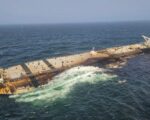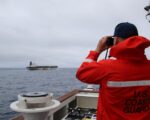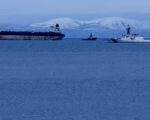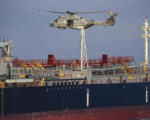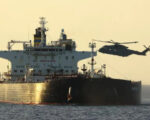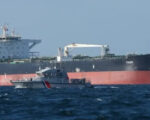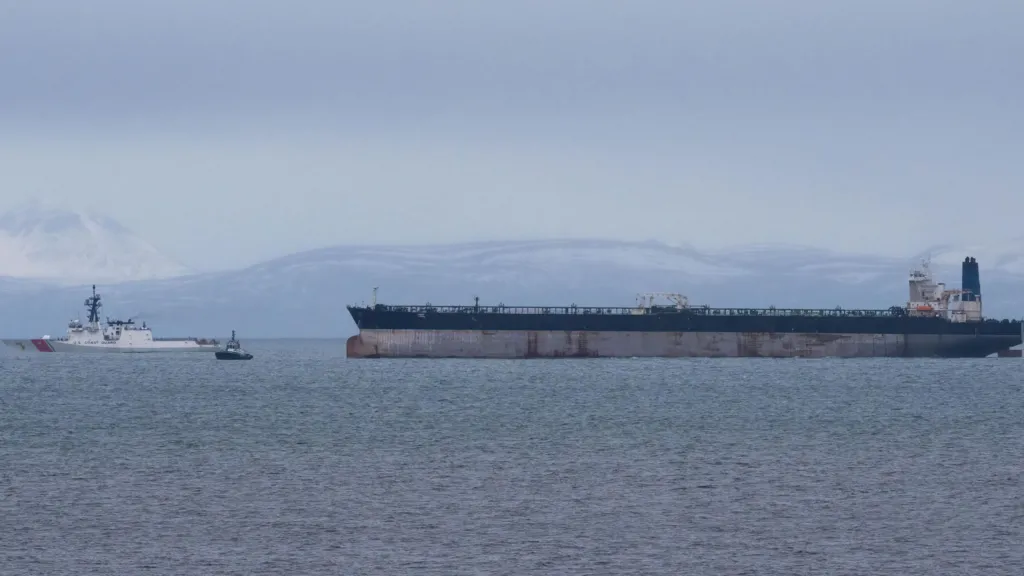
The ongoing situation involving the tanker Marinera (formerly Bella 1) off the Scottish coast has brought the legal and physical security of seafarers to the forefront of international maritime discourse. While the vessel’s seizure by the U.S. Coast Guard in January 2026 was officially linked to sanctions enforcement, the subsequent treatment of the crew has established a significant precedent regarding the personal liability and jurisdictional protections of those working at sea.
The fate of the crew became a central issue following a series of rapid legal developments in late January. While the tanker was moored in the Moray Firth under U.S. oversight, the captain and first officer were removed from UK territorial waters and placed into custody aboard a U.S. Coast Guard cutter. This transfer occurred just as the Scottish Court of Session was considering an injunction intended to prevent their removal from British jurisdiction. Although a temporary interdict was initially granted, it was later revoked after authorities confirmed the officers were already outside the reach of the Scottish courts. Legal representatives for the officers have challenged the legitimacy of this transfer, citing a lack of transparency in the handover process.
Most remaining 26 crew members (comprising Ukrainian, Georgian, Indian, and Russian nationals) were permitted to disembark and were processed by UK immigration officials ashore. Reports indicate five crew members have opted to travel to the United States, likely in connection with potential prosecution related to sanctions violations, while others arranged returns to their home countries.
The Russian Foreign Ministry has stated that two Russian crewmembers were released and repatriated to Russia, though it criticised the U.S. for failing to honour earlier commitments to release Russian nationals.
The Marinera case forms part of a broader Western campaign against “shadow fleet” tankers – vessels with opaque ownership, reflagging, and trading patterns used to circumvent sanctions regimes. Enforcement historically relied on financial and insurance pressure, but recent incidents show a willingness to escalate to physical interdiction, detention, and legal action against senior officers deemed responsible for sanctions breaches.
Similar actions include recent French naval interdictions of suspected sanctioned tankers in the Mediterranean, where commanders have been detained and vessels diverted for inspection – underscoring the coordinated effort by U.S. and European authorities to tighten controls and integrate sanctions compliance with maritime security operations.
For the shipping industry, this shift raises key legal and operational challenges: masters and senior officers now face personal exposure to enforcement actions, even where the beneficial ownership is not transparent, and vessel operators must navigate increasingly complex compliance landscapes that extend beyond traditional corporate due diligence.
The ultimate legal outcomes for the Marinera, its detained officers and its cargo remain unresolved, but the case has set a precedent for how sanctions enforcement may play out on the high seas and in territorial waters moving forward.